

Commercial property capture in Baltimore
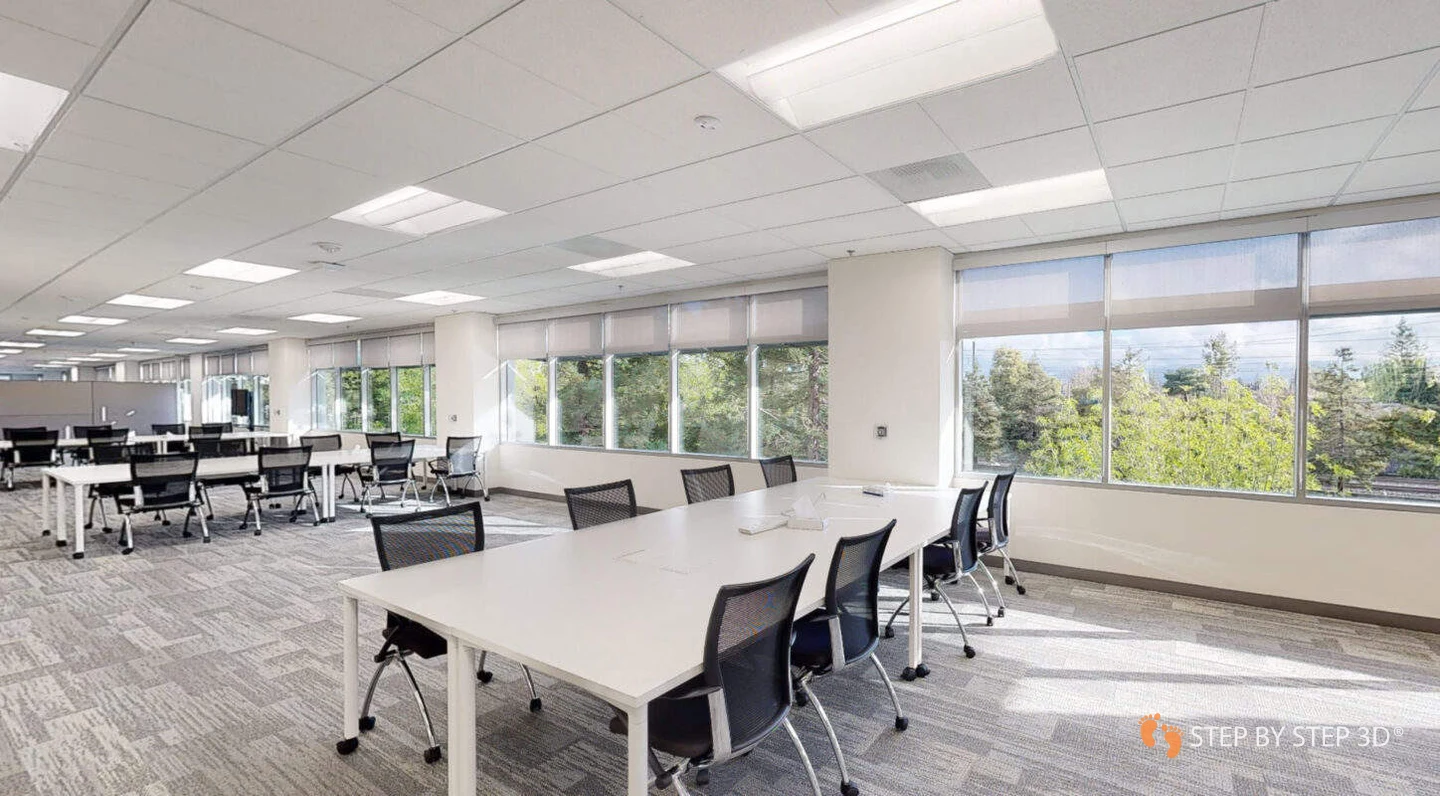
Stand in the middle of the Baltimore floor
A converted waterfront building may win a prospect with masonry and windows. Take the showing one step further by standing between the columns and looking toward the shared core. A tenant comparing Columbia or Silver Spring can evaluate where meeting rooms and desks would really fit.
- Start at the public entrance. Let a prospect follow the route from arrival to reception.
- Walk the working floor. Pause at adjoining rooms so the tenant can see which teams would share a doorway.
- Plan the visit. Save questions about fit, access, and lease terms for the broker.
Trace an incoming delivery
Walk the building-approved service route to the available suite. A client familiar with Glen Burnie industrial space can see where a conversion changes the usual approach.
Record existing improvements before design
Capture the openings and fixed divisions the landlord intends to retain. A planning team working in Frederick and Ellicott City can identify the particular areas that need a measured survey.
- Capture date. Record when the owner made the suite available.
- Handoff notes. Identify the rooms that an incoming manager should review first.
Invite the people who would use the branch
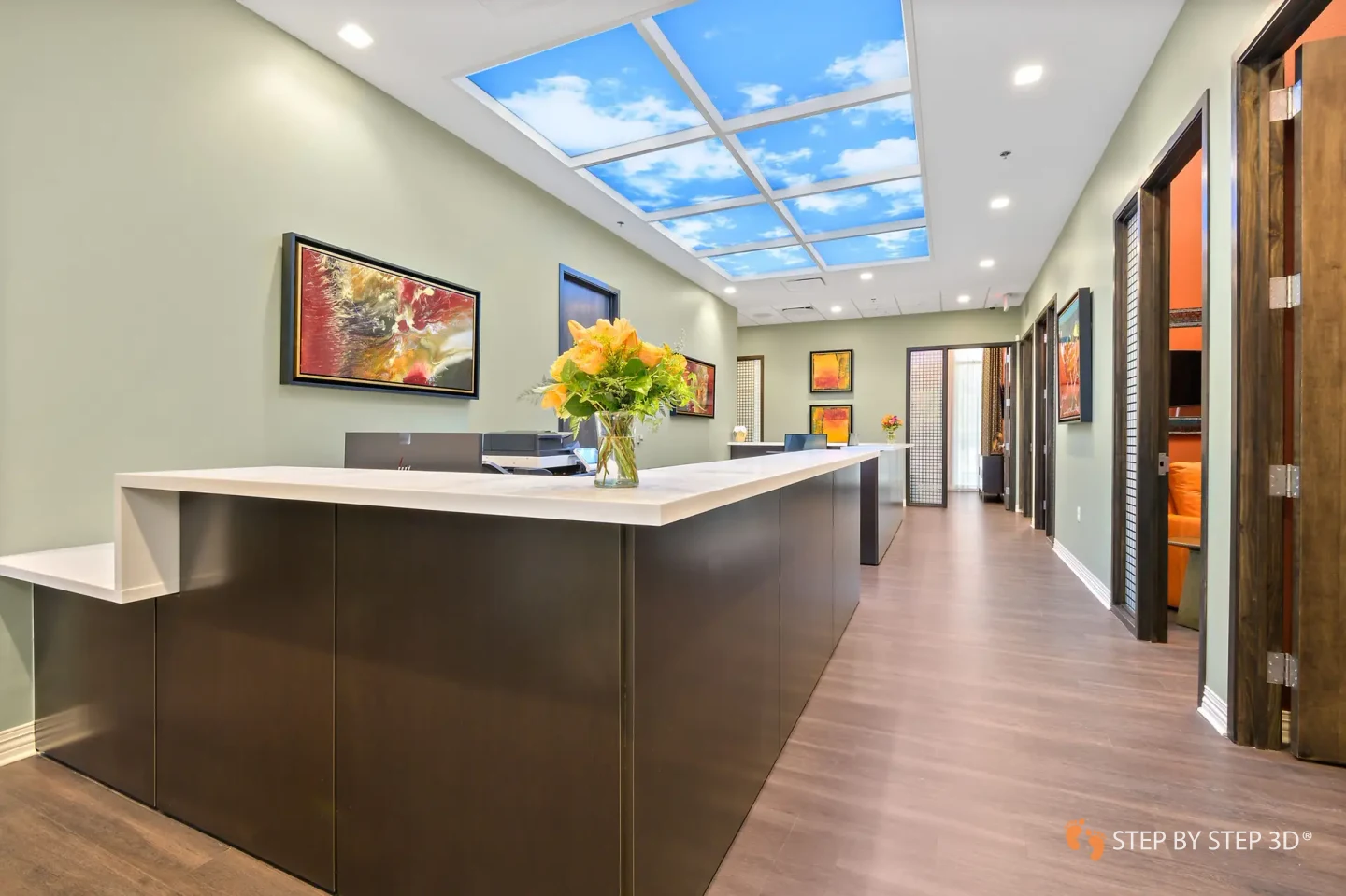
For a portfolio including Rockville and Gaithersburg, send the Baltimore tour to workplace leads at both addresses. Ask them to locate client check-in, a private call room and a delivery point before the lease review.
- Prioritize vacancies. Schedule the listings with the earliest marketing dates first.
- Group appointments. Match each address with the person who can open every approved space.
- Index the delivery. Pair each tour link with its property identifier and sharing instructions.
Get the shared building scope in writing
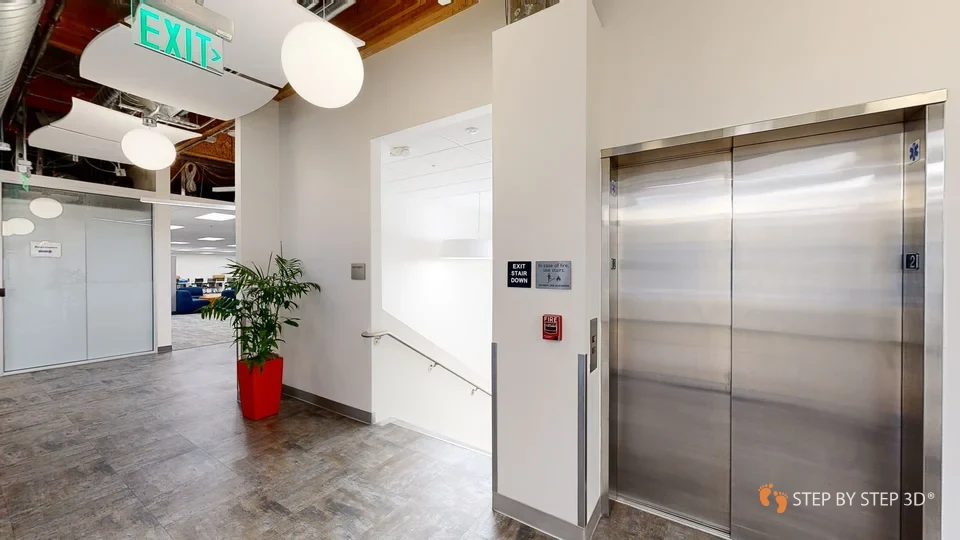
Identify the entries and corridors that the manager can authorize for public marketing. For grouped visits in Germantown and Waldorf, keep the local access and sharing decisions with the address.
Request a property quote