

Commercial property capture in Rochester
Let a tenant explore a deep floor plate
Start with the street-facing room and continue through each connecting space. Prospects looking in Dover can compare the layout, while a decision-maker in Concord can see where a private appointment might take place.
- Start at the public entrance. Let a prospect follow the route from arrival to reception.
- Walk the working floor. Pause at adjoining rooms so the tenant can see which teams would share a doorway.
- Plan the visit. Save questions about fit, access, and lease terms for the broker.
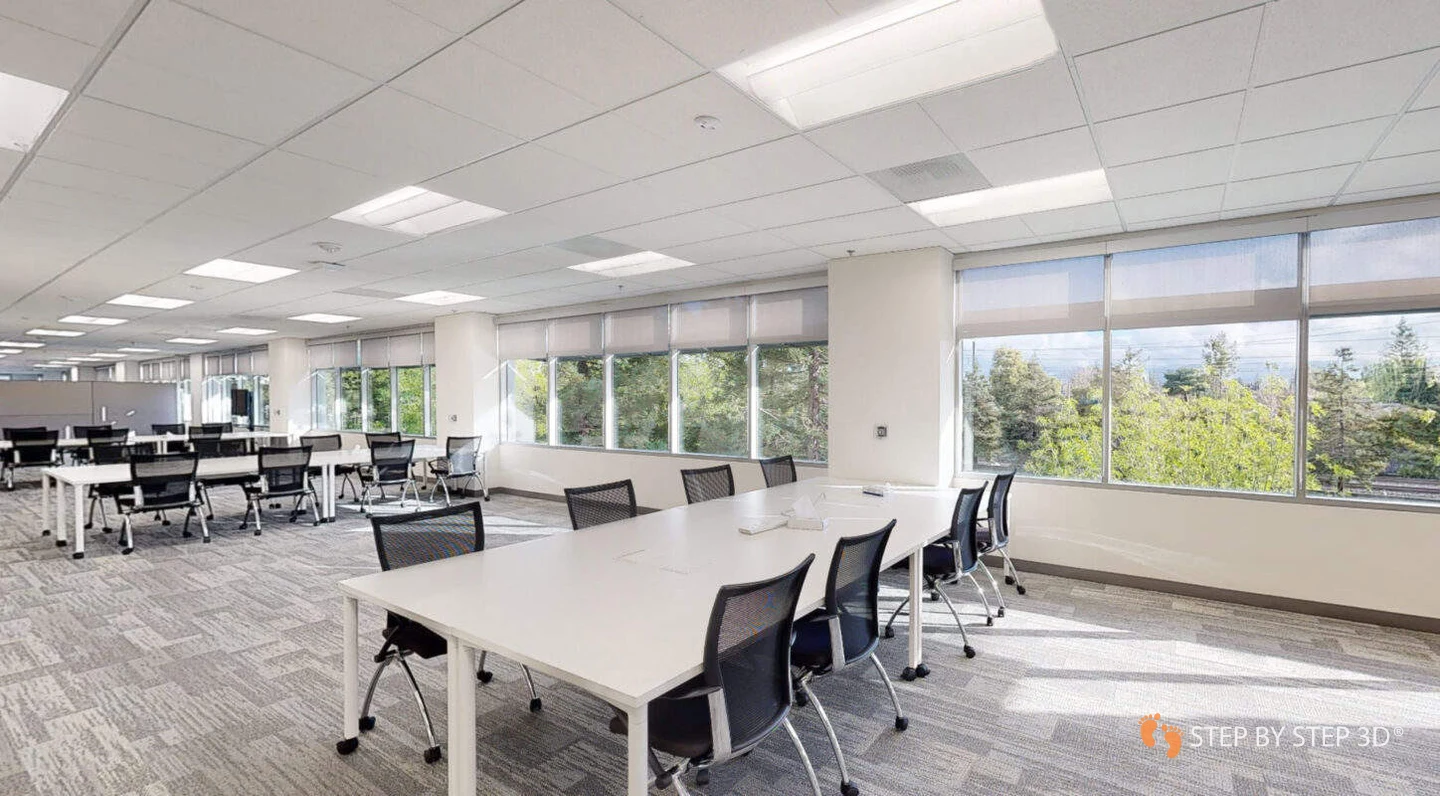
Distinguish character from current condition
Record visible finishes in context and identify the capture date. A managing agent in Manchester can discuss retained features with a tenant representative in Nashua without implying that proposed improvements are complete.
Meet vendors with the same reference open
A vendor working from Derry can inspect the photographed route between the entrance and the work area, then ask about clearance or access that requires an on-site check.
- Capture date. Record when the owner made the suite available.
- Handoff notes. Identify the rooms that an incoming manager should review first.
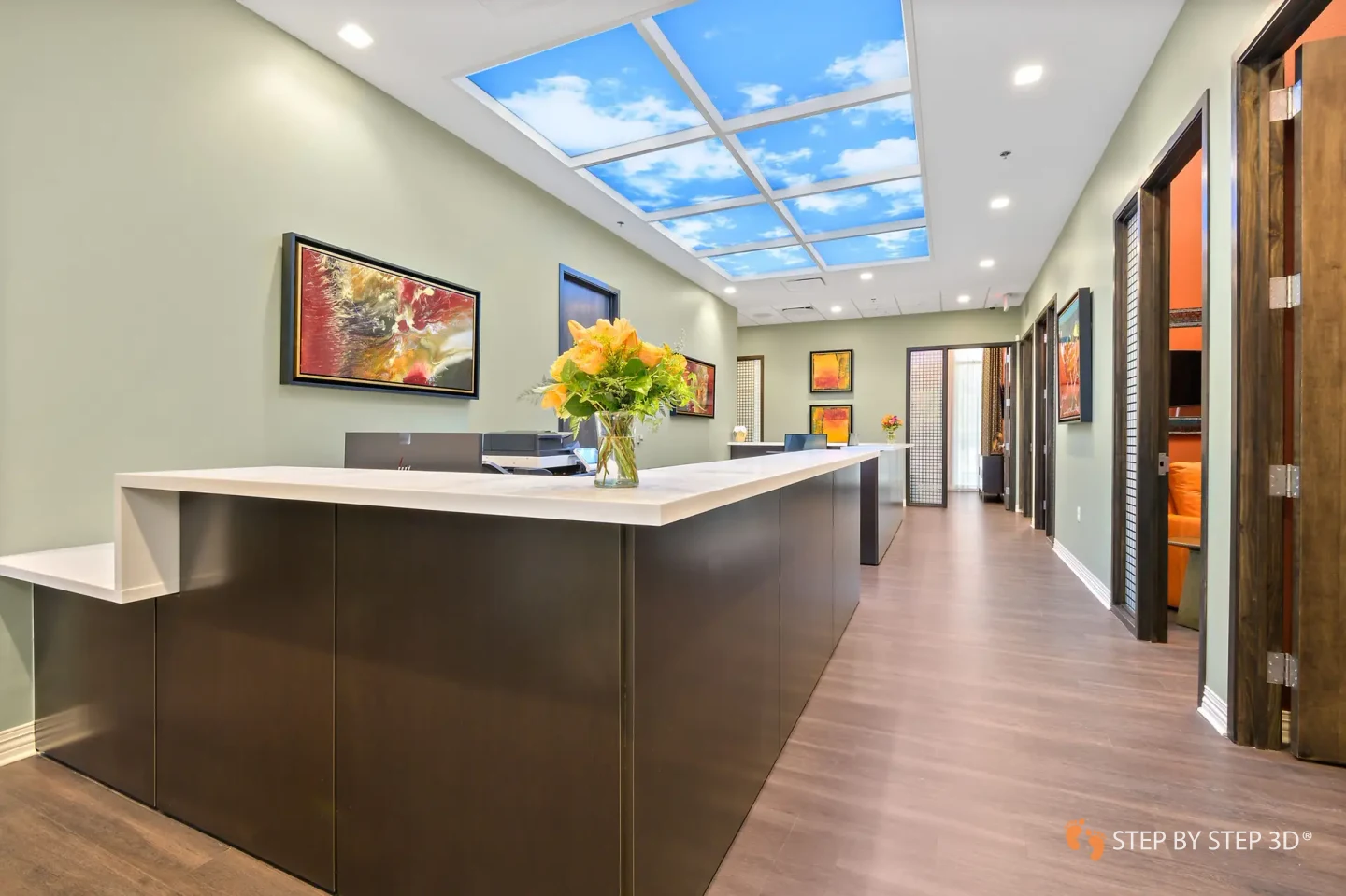
Build a usable record across different building ages
Assets in Merrimack and Hudson may have very different cores and shared areas. Use consistent room labels while letting the Rochester tour show the building's own sequence.
- Prioritize vacancies. Schedule the listings with the earliest marketing dates first.
- Group appointments. Match each address with the person who can open every approved space.
- Index the delivery. Pair each tour link with its property identifier and sharing instructions.
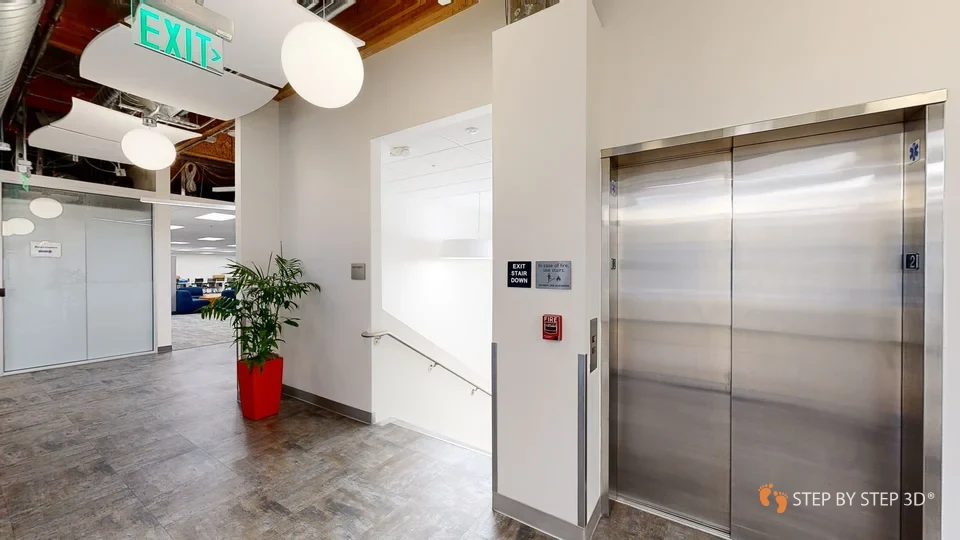
Coordinate permissions before the visit
Specify occupied suites, public entrances and spaces that can be shown to prospects. If Salem and Londonderry are in the assignment too, identify which locations require separate tenant approval.
Request a property quote