

Commercial property capture in Hampton
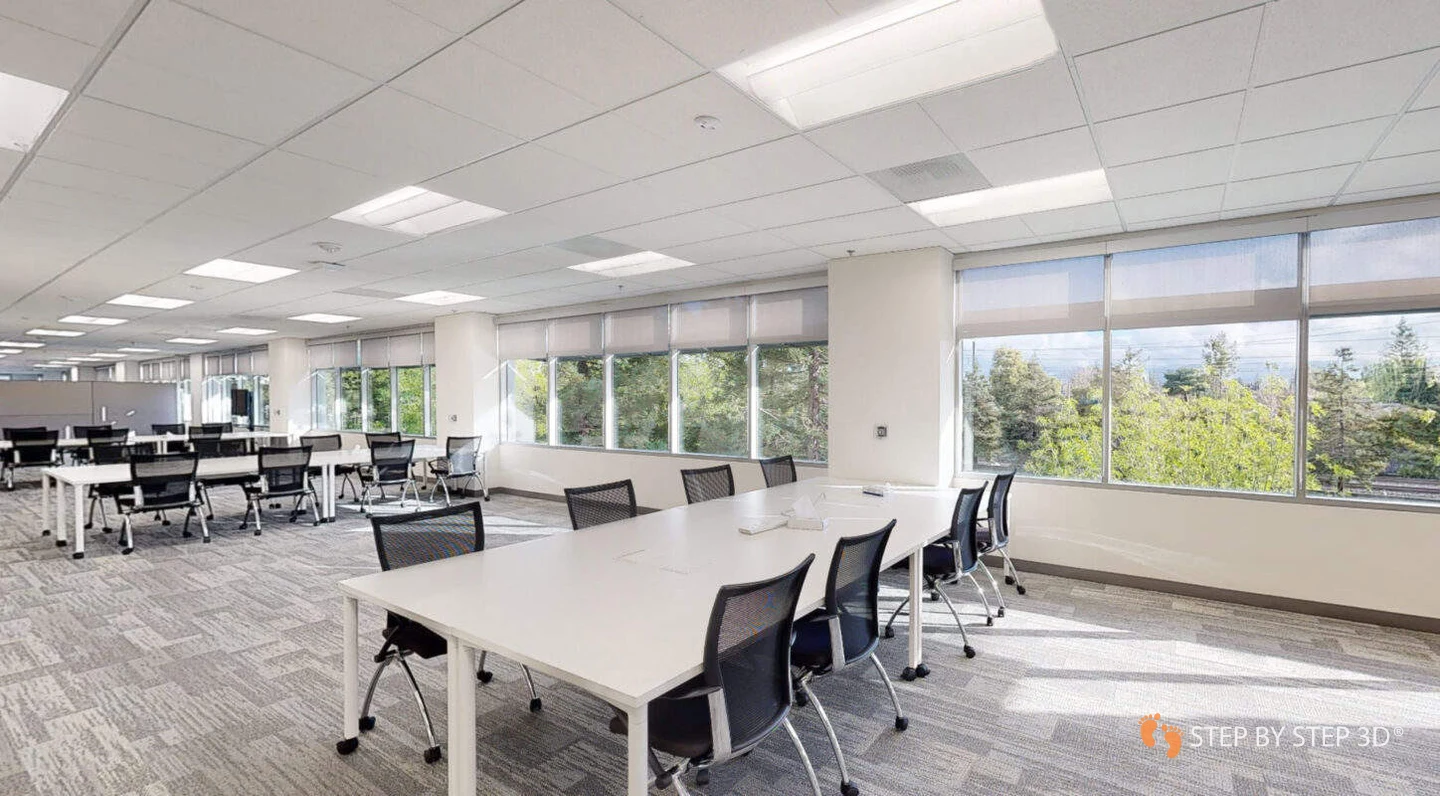
Look back from the narrow end of the space
For a downtown Hampton availability, start at the area a listing photograph rarely shows, at the back of the floor. Looking toward the street reveals how the windows, walls and service rooms fit together. A prospect also touring Newport News and Portsmouth can see which layouts offer the most useful depth.
- Start at the public entrance. Let a prospect follow the route from arrival to reception.
- Walk the working floor. Pause at adjoining rooms so the tenant can see which teams would share a doorway.
- Plan the visit. Save questions about fit, access, and lease terms for the broker.
Show the walk to an appointment
Follow the visitor from the public entrance to the first place staff can meet them. A Norfolk branch manager can anticipate where they would need to direct a new client.
Preserve the finishes at turnover
Document what the outgoing tenant will leave, including fixed counters and built-in storage. A contractor traveling from Chesapeake or Suffolk can prepare a measured survey around those features.
- Capture date. Record when the owner made the suite available.
- Handoff notes. Identify the rooms that an incoming manager should review first.
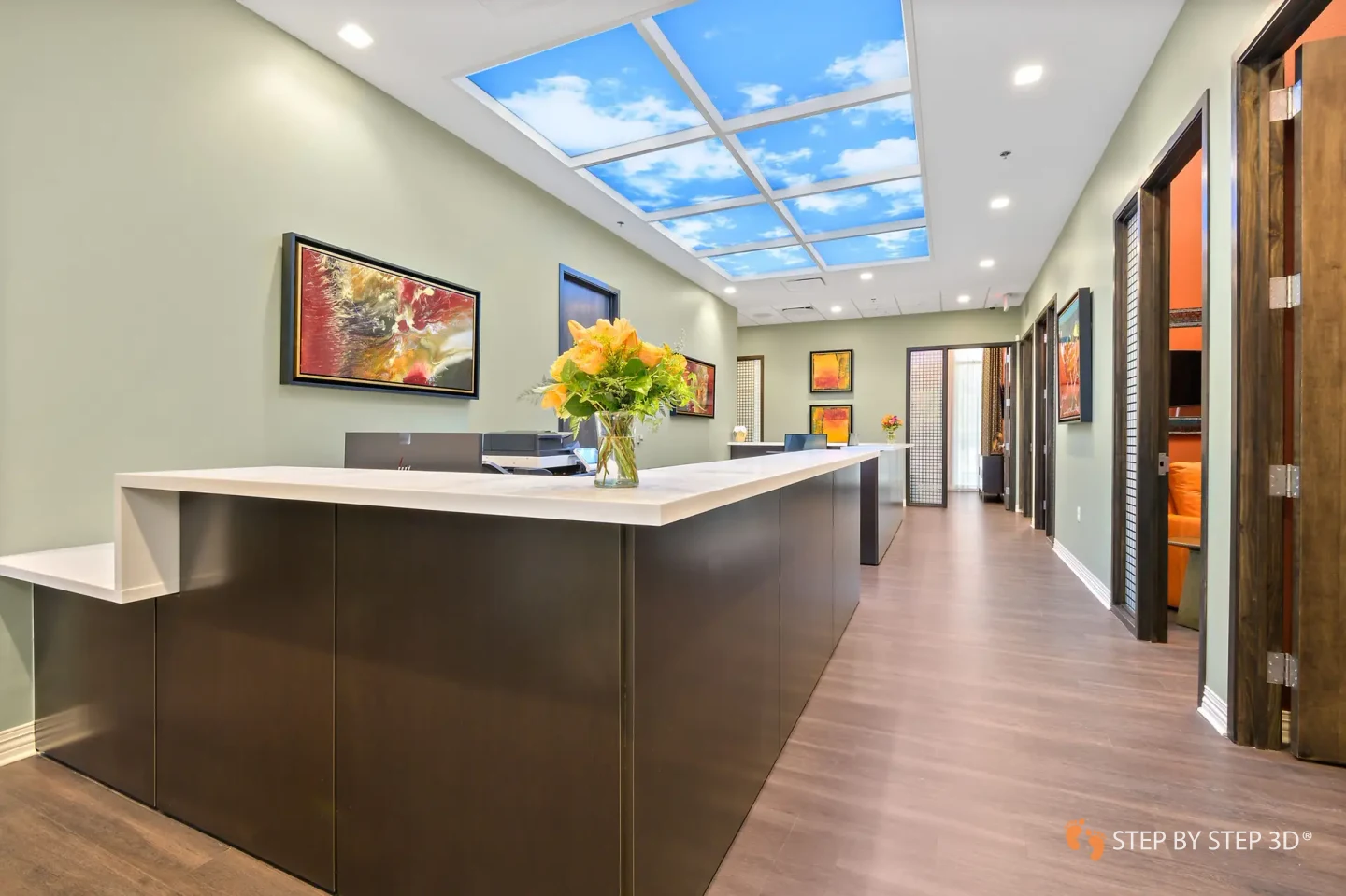
Review a visitor-facing portfolio
When staff in Virginia Beach and Alexandria judge the Hampton option, send a view from the point where a customer first sees the business. Ask how the same brand greeting could work in this particular room.
- Prioritize vacancies. Schedule the listings with the earliest marketing dates first.
- Group appointments. Match each address with the person who can open every approved space.
- Index the delivery. Pair each tour link with its property identifier and sharing instructions.
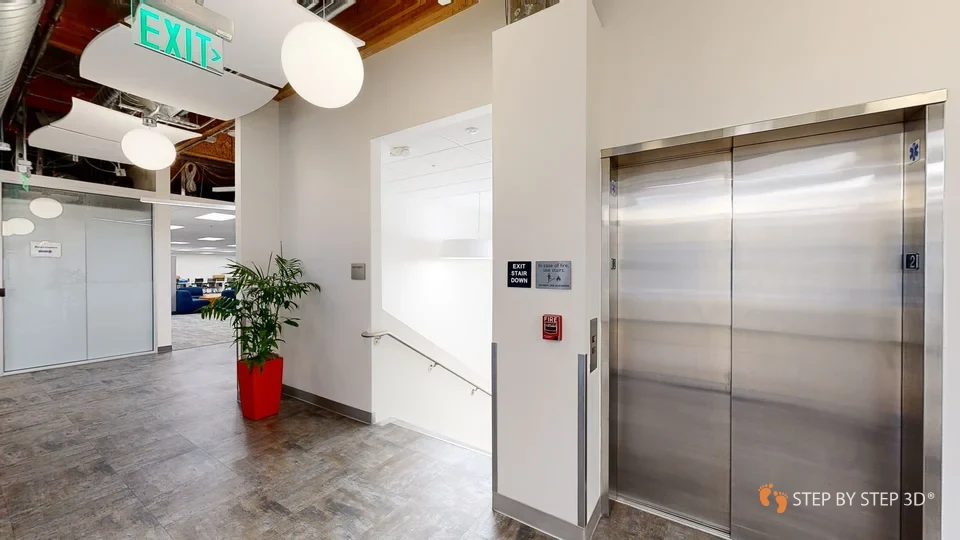
Specify the approved entrances
Some common passages need a separate building contact. Mark those access rules when the scope includes Hampton, Richmond and Roanoke.
Request a property quote